You Don't Own This: The Slow, Ugly Death of Metal and Punk's Gatekeeper Era
Somewhere on the internet right now, there is a forty-something dude typing furiously about how a band's new album proves they've sold out, how the kids at the show last weekend didn't know the deep cuts, how the genre was better when fewer people cared about it. He's been at it for twenty years. He'll be at it for twenty more.
The difference is that nobody's listening to him anymore.
The gatekeeping era in metal and punk — that long, exhausting period when entry into the subculture required surviving a hazing ritual of obscure knowledge tests, aesthetic policing, and ritualized contempt for anyone deemed insufficiently authentic — is not just fading. It's being actively dismantled, called out by name, and replaced with something that the old guard finds deeply threatening: actual inclusivity.
This is not a comfortable story. It's a necessary one.
What Gatekeeping Actually Did to These Scenes
Let's be honest about the function gatekeeping served, because it wasn't protecting artistic integrity. It was enforcing demographic homogeneity under the cover of taste.
For most of the genre's mainstream history, the unspoken requirements for legitimate metal and punk fandom in the US skewed heavily white, heavily male, and heavily straight. Women who showed up at shows were questioned about their knowledge. Black and Latino fans were treated as novelties or outsiders in spaces that were built on musical traditions with deep roots in Black American music. LGBTQ+ fans navigated scenes where homophobic slurs were casually deployed as insults from the stage.
The "true fan" standard was never really about the music. It was about who got to feel at home and who was made to feel like a guest on probation.
Artists who came up through these scenes in the 2000s and early 2010s will describe this environment with varying degrees of discomfort. Some thrived in it. Some survived it. A lot of people — particularly women, people of color, and queer fans — simply left and found community elsewhere, taking their energy and their money with them.
The Callout Moment That Changed the Conversation
There wasn't a single event that broke the gatekeeper consensus, but there have been several that accelerated its collapse.
Social media made it impossible for bad behavior to stay contained within the walls of a local scene. When a touring act's frontman directed crowd harassment at a female fan, the story used to die in that room. Now it's on Twitter before the set ends. When a venue's booking policy consistently excluded bands fronted by women or people of color, that pattern became documentable and shareable in ways that created real reputational consequences.
The #MeToo reckoning hit heavy music scenes hard, exposing predatory behavior that had been protected by the same gatekeeping culture that policed fan authenticity. The implicit message had always been: this is our space, we set the rules. That message stopped landing the way it used to when the rules turned out to protect abusers.
Younger fans — the Gen Z audience that heavy music desperately needs for its future — arrived with a completely different relationship to the concept of scene ownership. They hadn't paid dues in the old system. They didn't feel obligated to respect its hierarchies. And they had platforms.
The Artists Building Something Different
The most interesting development in contemporary metal and punk isn't happening in the production booth or on the streaming charts. It's happening in the deliberate, sometimes awkward, often genuinely moving work that a new generation of artists is doing to build scenes that don't replicate the exclusions of the past.
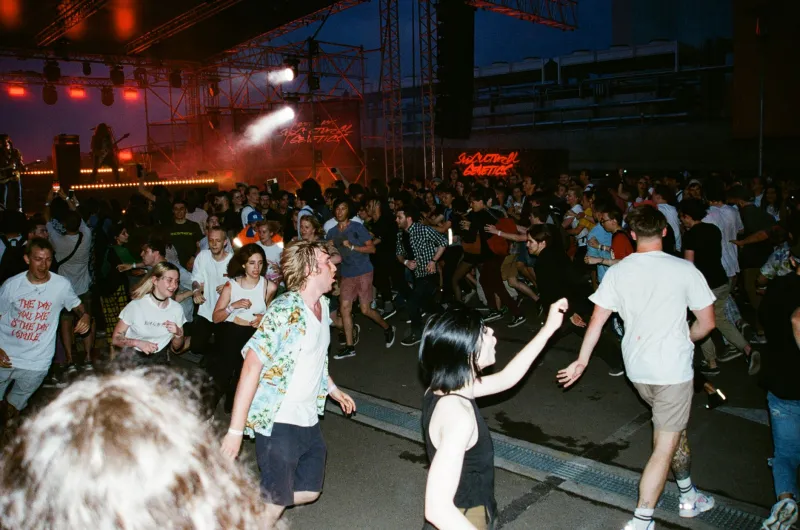
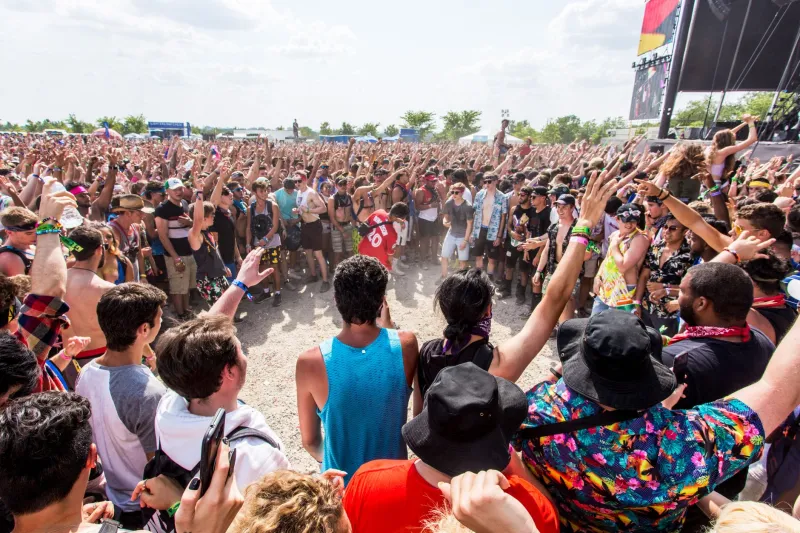
Bands like Show Me the Body, Militarie Gun, and Amygdala are playing shows that look different from the metal shows of twenty years ago — more diverse crowds, more explicit statements from the stage about who belongs, more intentional venue selection that prioritizes accessible and safe spaces. This isn't accidental. It's policy.
Label infrastructure is shifting too. Initiatives like Moshpit Against Racism and various regional booking collectives run by women and nonbinary promoters are changing who gets stage time and who gets to shape the culture of individual scenes. These aren't charity projects. They're business decisions based on the recognition that the old demographic model was leaving enormous amounts of talent and audience energy on the table.
And the old guard, predictably, is furious.
The Uncomfortable Conversations Nobody Wants to Have
Here's where it gets genuinely complicated, and where easy narratives break down.
Not everyone who expresses concern about where heavy music is heading is a hateful gatekeeper. Some of the resistance to change comes from people who found genuine community in these scenes during periods of their lives when they had nowhere else to go — people for whom the subcultural identity is real and meaningful, not just a costume. The fear of losing that community, of having the thing that saved them become something unrecognizable, is not entirely cynical.
The challenge is separating legitimate grief about cultural change from the deployment of that grief as a weapon against people who just want to come to a show without being made to feel like they don't belong.
Progressives within these scenes are having to hold both things simultaneously: genuine respect for the history and authenticity of the genre, and zero tolerance for the ways that history has been used to harm people. That's a harder position to hold than either "everything was fine" or "burn it all down."
But it's the honest position. And heavy music, at its best, has always been about honesty over comfort.
What Comes After the Gatekeepers
The replacement for gatekeeping culture isn't a sanitized, focus-grouped version of metal and punk that files down all the rough edges for mainstream consumption. That's the strawman the old guard keeps building, and it's a dishonest one.
What's actually emerging is messier and more interesting: scenes that are loud and aggressive and confrontational and artistically uncompromising AND that explicitly don't require you to be a certain kind of person to walk through the door. Those things are not in conflict. They never were.
The bands doing the most exciting work in heavy music right now are not softening their sound to attract a broader audience. They're making brutal, challenging, technically demanding music and then making it clear that everyone who wants to be in the room for it is welcome in the room for it.
That's not the death of the culture. That's the culture finally becoming what it always claimed to be: a refuge for the people who don't fit anywhere else.
All of them. Not just the ones who passed the test.