From Basement to Brutal: How Solo Producers Are Rewriting the Rules of Heavy Music
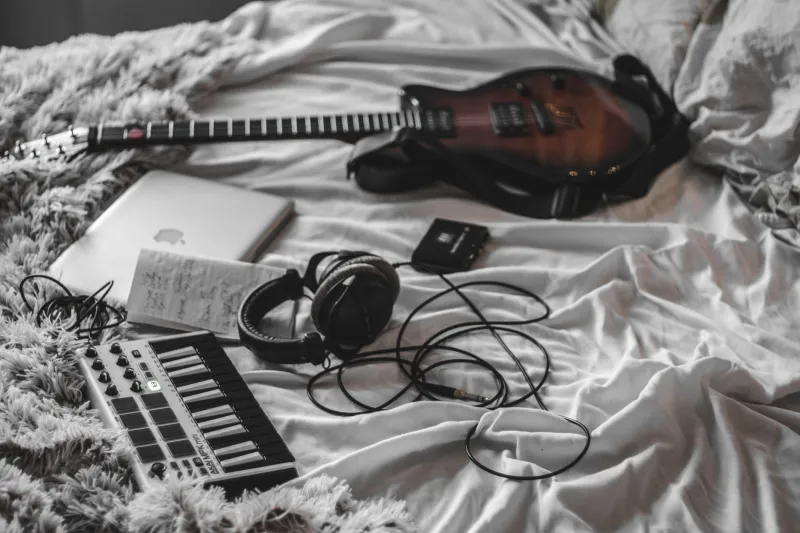
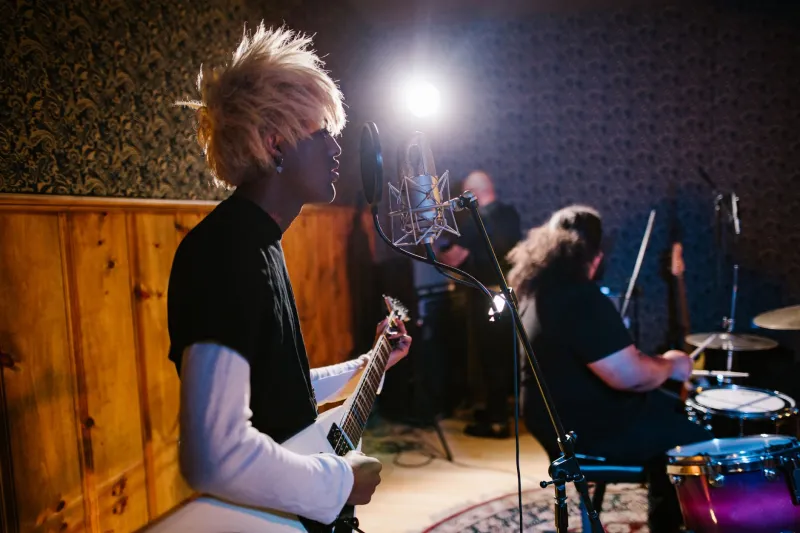
There's a bedroom somewhere in suburban Ohio right now — probably cluttered with empty energy drink cans, a half-dismantled drum kit, and a laptop running Reaper — where someone is making the heaviest record you'll hear this year. No label. No producer credit with a Grammy on his shelf. No budget. Just a kid, a condenser mic, and a burning need to make something that sounds like the inside of their skull at 2 a.m.
This isn't a new story, exactly. Punk was always DIY by necessity. But what's different now — what's genuinely shifted the tectonic plates under the music industry — is that the gap between a bedroom recording and a professional one has shrunk to almost nothing. And that changes everything.
The Gear Revolution Nobody's Talking About Enough
Let's talk numbers for a second. In the early 2000s, getting a halfway-decent metal record tracked and mixed could easily run you $10,000 to $30,000 in studio time alone. That financial wall kept heavy music in the hands of people who either had label backing or rich parents. Neither group was exactly known for producing the most unhinged, authentic sounds.
Fast forward to right now. An audio interface runs you $150. DAWs like Reaper cost $60 for a personal license, and plenty of producers are running Audacity or LMMS for free. Plugin suites like Neural DSP have made guitar amp simulation so convincing that even seasoned engineers are doing double-takes. Drum samples from Slate Digital or Steven Slate Drums can replace a full kit for under $200. The total cost of a genuinely competitive home recording setup? You can do it for under a grand if you're smart about it.
Producers like Tilian Pearson side projects, or underground figures like Nader Sadek collaborators working out of NYC apartments, are proof that the sound doesn't lie anymore. The bedroom can go toe-to-toe with the big room. Sometimes the bedroom wins.
Bandcamp and the Underground Economy
The gear is only half the revolution. The other half is distribution — specifically, what Bandcamp did for underground heavy music before Songtradr bought it and started making everyone nervous.
At its core, Bandcamp gave artists something radical: a direct line to the listener with a revenue split that didn't require a lawyer to explain. For a genre like metal, where cult followings are intensely loyal and willing to actually spend money on physical media, that model was a lifeline. Bands were pressing limited vinyl runs, selling cassette tapes with hand-drawn covers, bundling digital downloads with patches and zines — and keeping 85% of the revenue.
Collectives like Neckbeard Deathcamp, Uniform, and dozens of smaller acts built genuine underground empires this way. Not mainstream empires. Not Spotify playlist empires. The kind where 2,000 deeply committed fans fund a touring cycle and a recording budget without a single suit involved.
The model isn't perfect — we'll get to that — but it proved something important: you don't need permission anymore. You never really did, but now you have the receipts.
The Creative Freedom Argument (And Why It Actually Holds Up)
Here's where the DIY conversation usually gets a little hand-wavy, so let's be specific. When a band records in a traditional studio with a label-assigned producer, there are compromises baked into the process before a single note gets tracked. The producer has a sound. The label has a target demographic. The studio has a clock running at $200 an hour. Every one of those factors exerts pressure on the music — subtle, sometimes well-intentioned pressure, but pressure nonetheless.
Strip all that out and something interesting happens. Bands start making records that sound like them rather than records that sound like a negotiated settlement between five different stakeholders.
Take the entire wave of blackgaze and post-metal that's exploded out of American bedrooms over the last decade. Bands like Deafheaven got their start in exactly this kind of autonomous environment, and the result was music that genuinely didn't fit any existing box — which is precisely why it connected so hard. You can hear the lack of compromise in the mix. It's not always polished. Sometimes it's deliberately abrasive. But it's honest in a way that overproduced major-label metal almost never is.
Sonic innovation follows freedom. That's not a hippie platitude — it's just what happens when you take the financial stakes and the committee approval process out of the equation.
The Hard Part: Drowning in the Noise
Okay, let's not pretend this is all upside. The same democratization that handed every bedroom producer a shot at an audience also handed every bedroom producer a shot at an audience. The result is an almost incomprehensible volume of music being released every single day — Spotify alone sees something like 100,000 new tracks uploaded every 24 hours.
For DIY heavy music artists, breaking through that noise without a label's marketing machine is genuinely brutal. Social media algorithms aren't built for metal. TikTok can occasionally surface a heavy band in the most chaotic, random way, but it's not a strategy. Instagram's reach has cratered for smaller accounts. And streaming royalties — even on a good month — are a sick joke. We're talking fractions of a cent per stream, which means an artist needs millions of plays just to cover the cost of their interface.
Monetization in an oversaturated market requires creativity and a willingness to treat your audience like actual humans rather than metrics. The artists who are making it work are doing it through direct-to-fan relationships: Patreon, Bandcamp subscriptions, merch drops that feel like events, live shows that are genuine experiences rather than just content opportunities.
It's more work than signing to a label. It's also more honest.
The Basement Is the Studio Now
The traditional recording studio isn't dead — but it's no longer the only path to a legitimate heavy record, and that shift is permanent. The producers coming up right now, the ones building their craft in spare rooms with consumer gear and open-source software, aren't waiting for validation from an industry that spent decades telling them what heavy music was supposed to sound like.
They're just making it. Loud, raw, and completely on their own terms.
Which, when you think about it, is exactly what punk was always supposed to be about.