Too Easy to Find: The Algorithm Gave Heavy Music to Everyone and Now We're All Paying for It
Let me tell you what it used to cost to find the good stuff.
You had to know someone. Or you had to haunt the right record stores, the ones with the hand-written tags and the staff who'd look at you sideways before deciding you were worth talking to. You had to order from distros with photocopied catalogs. You had to read zines that were half-illegible and fully committed. You had to sit through bad opening acts and worse sound systems to find the band that would rewire your brain.
That friction wasn't a bug. It was a filter. And we destroyed it, and now we're living in the aftermath, and it's complicated as hell.
The Discovery Machine and What It Costs
Spotify's recommendation engine is genuinely impressive technology. It works. It connects listeners to music they wouldn't have found otherwise, crosses genre boundaries, surfaces catalog deep cuts. From a pure discovery standpoint, it's the most powerful tool for reaching new audiences that underground music has ever had access to.
It's also slowly draining the cultural weight out of extreme music, one auto-play recommendation at a time.
Here's the problem: heavy music — real heavy music, the kind that makes your chest feel like it's caving in, the kind with lyrics that say things nobody is supposed to say out loud — derives a significant portion of its power from context. From the experience of seeking it out. From the social ritual of being initiated into it by someone who understood what it meant.
When an algorithm serves Mayhem's De Mysteriis Dom Sathanas to a 16-year-old in suburban Connecticut between a Billie Eilish record and a Spotify-curated "dark vibes" playlist, something is lost. Not the music itself. The music is the same. But the weight of it — the cultural gravity that accumulated over decades of being dangerous, being hidden, being ours — gets lighter with every casual listen.
TikTok and the Thirty-Second Initiation
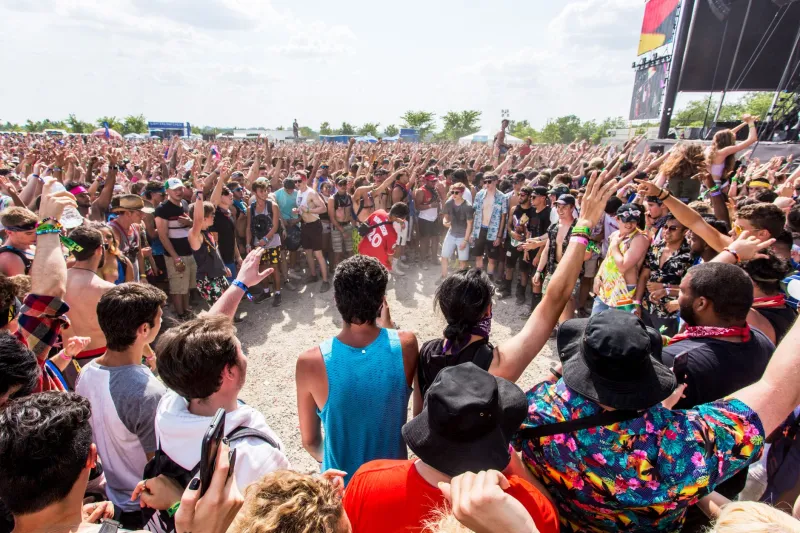
TikTok has done more for heavy music's mainstream visibility than any PR campaign in history. Songs that would have lived and died in underground circles are racking up millions of streams because thirty seconds of them soundtracked someone's aesthetic video. Bands are getting tour opportunities, label interest, and audience growth they couldn't have imagined five years ago.
And some of those new listeners become real fans. That part is genuinely true and worth acknowledging.
But TikTok also fundamentally changes the relationship between listener and music. The platform is built for surface contact — quick, visceral, shareable moments. Heavy music was built for depth. For repeated immersion. For the kind of listening that changes you over time rather than entertaining you for thirty seconds before the feed moves on.
The listeners who arrive via TikTok aren't necessarily equipped for the depth. They got the thirty-second version. The full record is a different experience entirely, and not everyone who liked the clip is going to survive it.
The Mystique Problem
There's a version of this argument that's just gatekeeping dressed up in cultural criticism, and I want to be honest about that. "You didn't earn this" is an ugly thing to say to someone who's genuinely moved by music, regardless of how they found it. Exclusivity for its own sake is a power game, not a cultural value.
But there's a real thing underneath the ugly version, and it's worth separating out.
Extreme music — black metal, grindcore, power electronics, the truly abrasive stuff — was dangerous because it operated outside mainstream awareness. Its danger wasn't just sonic. It was social. Listening to it meant choosing to exist in a space that mainstream culture hadn't colonized, hadn't monetized, hadn't made safe. That choice had weight. It said something about who you were.
When the algorithm colonizes that space — when it makes the dangerous thing accessible, comfortable, ambient — it doesn't destroy the music. But it does destroy the choice. And the choice was part of the meaning.
What the Underground Does With This
The scenes that are responding most intelligently to oversaturation are the ones doubling down on the things algorithms can't replicate. Physical releases. Show-only content. Handmade, limited-run objects. Art that requires your actual presence to experience fully.
There's a reason tape culture never died. There's a reason vinyl pressings of 300 copies sell out in hours to people who will never stream the same record. There's a reason basement shows in cities with actual scenes still feel different from arena tours by bands who started in basements.
The underground isn't going to out-algorithm the algorithm. That fight is over. What it can do is make itself legible only to people willing to go past the algorithm — to follow the thread from the Spotify recommendation to the Bandcamp page to the distro to the show to the community. The music is the beginning of the map, not the destination.
Dangerous By Choice, Not By Accident
Heavy music was never supposed to be easy. Not easy to hear, not easy to understand, not easy to belong to. Its power came from the work it demanded and the discomfort it required. Accessibility was never the goal. Survival was the goal.
The algorithm wants to make everything a recommendation. The underground's job is to remain a decision.
Be findable. Be impossible to fully understand from the outside. Make them come all the way in before they get the whole thing. That's not gatekeeping. That's just knowing what you are and refusing to let convenience flatten it.
The mystique isn't dead. But keeping it alive is going to take more intention than it used to. Start there.