Misery Loves Company: How Heavy Music's Most Isolated Artists Built the Tightest Communities on Earth

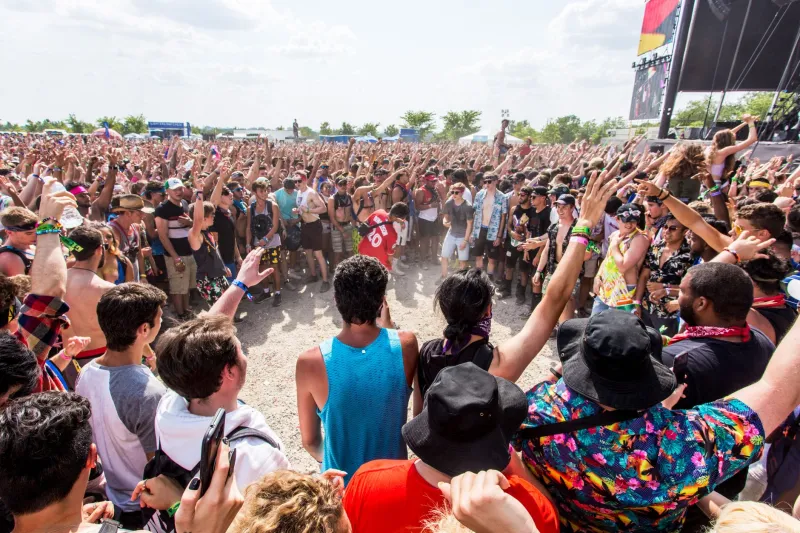
Photo by Photo by Yvette de Wit on Unsplash on Unsplash
There's a band somewhere in Ohio right now — probably recording in a basement that smells like mildew and cigarette regret — writing lyrics about how they despise human contact. By next Thursday, ten thousand strangers will have those lyrics tattooed somewhere on their bodies, metaphorically if not literally. They'll share clips on Discord servers at 2 a.m. They'll DM each other across state lines. They'll call it home.
This is the loneliness economy. And heavy music didn't stumble into it — it built the blueprint.
Selling the Wound, Not the Bandage
Most of the music industry spent the last decade chasing relatability like a golden ticket. Spotify-core pop optimized for mood playlists. Carefully curated artist "authenticity" workshopped by PR teams in Manhattan offices. The message was always some variation of we see you, we get you, here's a hug in song form.
Metal and punk bands looked at that playbook and set it on fire.
The artists moving real units — or more accurately, real merch, real tickets, real cult followings — in the underground right now aren't the ones promising comfort. They're the ones holding up a mirror to the ugliest parts of existing in 2024 America and refusing to look away. Bands like Chat Pile, Portrayal of Guilt, and Knocked Loose aren't softening the edges. They're sharpening them. And the kids are responding like they found religion.
That's not an accident. That's a strategy, even when it doesn't feel like one.
The Paradox Nobody Wants to Admit
Here's where it gets genuinely weird, and genuinely interesting. The most commercially potent thing happening in heavy music right now is a band releasing a record about total misanthropy and watching a massive, intensely loyal parasocial fanbase materialize around it.
Chat Pile's God's Country is an album about poverty, dread, and the slow suffocation of working-class American life. It is not a fun listen. It is also one of the most talked-about, obsessively dissected heavy records in recent memory. People don't just like that album — they need it. They organize their emotional lives around it.
Knocked Loose's A Tear in the Fabric of Life is a relentless, brutal gut-punch of a record. It debuted at number one on Billboard's Hard Rock Albums chart. A hardcore band. Number one.
The paradox resolves itself when you stop thinking about music as a product and start thinking about it as a mirror. Gen Z — raised on algorithmic content designed to maximize dopamine and minimize discomfort — is acutely allergic to anything that feels manufactured. When a band is brutally honest about suffering, about disconnection, about the specific misery of being alive right now in this country, it doesn't repel the audience. It magnetizes them. Because honesty, real honesty, is so rare it functions almost like a superpower.
Alienation as Brand Architecture
Let's talk about what this actually looks like from a business perspective, because the underground doesn't get enough credit for how shrewdly some of these artists operate.
The bands winning right now aren't running traditional marketing campaigns. They're building what you might call alienation architecture — a consistent, unflinching aesthetic and emotional identity that communicates, loudly and clearly, this is not for everyone. And that exclusivity isn't gatekeeping in the old gross sense. It's a signal. It's a handshake. It says: if this is for you, then you are truly, completely seen.
That's worth more than any Spotify playlist placement. Merch sells out in minutes. Tour dates sell out in hours. The community self-organizes, self-promotes, and self-sustains — because the people inside it feel a level of genuine belonging that mainstream culture has completely failed to provide them.
The loneliness economy runs on scarcity of authentic connection. Heavy music, at its best, floods the market.
Why Gen Z Specifically Gets This
You cannot fully understand this phenomenon without acknowledging the specific psychological terrain Gen Z is navigating. Multiple studies — the American Psychological Association has been tracking this for years — show Gen Z as the loneliest generation in recorded American history. They grew up online in ways that previous generations didn't, with social media providing the simulation of connection while quietly eroding the infrastructure for real intimacy.
They are also, collectively, deeply skeptical of being sold to. They can smell inauthenticity like a bloodhound. Corporate attempts to speak their language — the brand Twitter accounts doing "unhinged" humor, the festival lineups algorithmically assembled to hit every demographic checkbox — register as exactly what they are: extraction dressed up as solidarity.
A band that stands onstage and screams about how broken everything is, with no softening, no pivot to hope, no redemption arc — that lands differently. That lands like truth. And truth, in the current cultural economy, is genuinely scarce enough to be valuable.
The Misanthropy-to-Community Pipeline Is Real
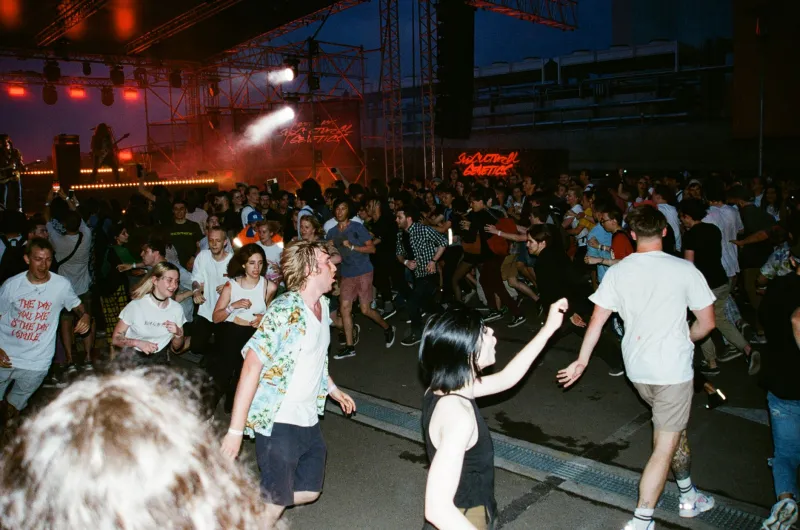
What's almost beautiful about this, in the grimly ironic way that heavy music tends to deal in beauty, is the outcome. The songs about hating people create communities. The records about isolation build connection. The artists who refuse to perform happiness become the ones their fans feel safest around.
It's not cynical. It's actually the most earnest thing happening in American music right now.
The loneliness economy isn't a marketing trick that heavy music stumbled into. It's the natural result of a genre that has always told the truth about suffering, finally meeting an audience that needed that truth more desperately than any generation before it.
The basement in Ohio is still recording. The mildew smell isn't going anywhere. And somewhere, right now, someone is hearing the finished product for the first time and feeling, for maybe the first time in months, genuinely less alone.
The joke lands different when you realize it was never really a joke at all.