Priced Out of the Pit: How Corporate Greed Turned Live Heavy Music Into a Luxury Good
Ashley works the overnight shift at a distribution warehouse outside Columbus, Ohio. She's been going to metal shows since she was seventeen, riding Greyhound buses to venues two cities over, sleeping on floors, surviving on gas station food and the specific kind of adrenaline that only comes from a pit that's completely out of control. For fifteen years, the show was the thing she saved toward. The one non-negotiable expense in a budget that didn't have a lot of room for non-negotiables.
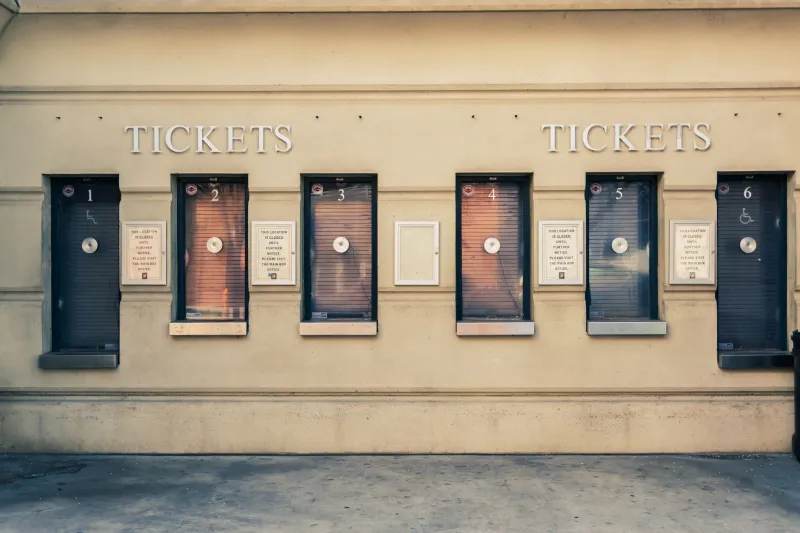
Last year, she tried to buy tickets for a mid-tier metal act she'd been following for a decade. Floor tickets — not VIP, not premium, just the floor — had a base price of $65. After Ticketmaster's service fees, the total hit $94. She makes $18.40 an hour. She didn't go.
"It's not even the big bands anymore," she said. "It's everything. It's bands I've seen in bars for $12 suddenly costing me a hundred dollars because they moved up to a bigger venue and that venue has a deal with Live Nation."
Ashley's story is not unusual. It's becoming the defining experience of working-class heavy music fans across the United States.
The Numbers Are Not Subtle
Ticket prices for live music have increased dramatically over the past decade, but the acceleration since 2021 has been particularly brutal. According to industry tracking, average concert ticket prices rose over 30% between 2022 and 2024 alone. For heavy music specifically — a genre that has historically priced itself as accessible precisely because its audience skews working-class — the shift has been jarring.
The consolidation of the live music industry is a significant driver. Live Nation's near-monopolistic control over major venues, ticketing infrastructure, and artist management creates a system where even bands with no interest in gouging their fanbase find themselves locked into pricing structures they didn't design and can't easily escape. A band that books a Live Nation-affiliated venue is booking through a system that will add fees, implement dynamic pricing, and extract maximum revenue from every transaction — often without meaningful input from the artists themselves.
For fans in major metro areas, this is painful. For fans in rural and mid-sized markets, it's potentially scene-ending.
The Regional Divide
If you live in New York, Los Angeles, or Chicago, the economics of live music are bad but survivable. There are enough shows, enough venues, enough options that you can be selective. You can skip the expensive ones and catch the same band at a smaller room six months later.
If you live in rural Mississippi, in eastern Montana, in the stretches of the Midwest where the nearest decent venue is three hours away, your options look completely different. You're not choosing between a $90 ticket and a $40 ticket for the same band. You're choosing between a $90 ticket, a four-hour round trip, and a hotel room — or not going at all.
The geographic concentration of live music infrastructure in urban centers has always disadvantaged rural and small-town fans. What's changed is the magnitude. As independent venues continue closing — a trend that accelerated sharply during the pandemic and hasn't reversed — the remaining rooms are increasingly concentrated in markets already well-served by live music. The places that were already underserved are becoming deserts.
For working-class fans in those regions, the math has become impossible.
What the Scene Is Actually Doing
Here's the part that doesn't get covered enough, because it's easier to write about the problem than the response: communities are fighting back, and some of what they're building is genuinely impressive.
All-ages basement shows and house venue networks — long a staple of hardcore and punk — are experiencing something of a renaissance in markets where traditional venues have become inaccessible. In cities like Louisville, Richmond, Albuquerque, and Omaha, informal networks of house show organizers are running tight, low-cost events that deliberately price out the corporate infrastructure. Five dollar suggested donations. Sliding scale entry. Bands splitting whatever's in the bucket at the end of the night.
In some rural communities, the response has been more logistical. Carpool networks organized through Discord and Facebook groups have emerged to make distant shows financially viable by splitting gas and sometimes lodging costs across groups of fans who might not have known each other before the thread started. It's unglamorous and it requires coordination that no fan should have to do just to attend a show, but it works.
Some regional promoters are pushing back on the fee structure more directly, running shows at non-affiliated venues and absorbing the additional logistical complexity to keep ticket prices under $20. A few have gone further, publishing transparent breakdowns of where ticket money goes as a direct counter-narrative to the opacity of major ticketing platforms.
The Bands Are Caught in the Middle
It's worth being clear about something that sometimes gets lost in the anger about pricing: most bands at the mid-tier and below are not getting rich off $90 tickets. The economics of touring at that level are brutal regardless of what fans pay at the door. A significant portion of the sticker price goes to venues, ticketing platforms, production costs, and the assorted infrastructure of a modern touring operation before the band sees a dollar.
This doesn't make the situation less infuriating for fans who are being priced out. But it does mean the anger is often misdirected. The problem isn't the bands. The problem is the system those bands are forced to operate within — a system designed to extract maximum value from every point of contact between artist and audience.
The Culture at Stake
Heavy music was built by working-class people. Not exclusively, not without complication, but at its core — in its values, its aesthetics, its community structures, its whole attitude toward authority and institutions — punk and metal have always been cultures of and for people without a lot of money or power. That origin isn't incidental. It's structural. It's why the music sounds the way it does and means what it means.
When the people who built the culture can no longer afford to participate in it, something fundamental breaks. The rooms fill with a different demographic. The energy shifts. The thing that made the scene the scene starts bleeding out.
Ashley hasn't stopped going to shows. She's just going to fewer of them, smaller ones, local ones. She's found a basement show network in Columbus that runs events most weekends.
"It's not the same as seeing a band I've followed for ten years," she said. "But it's something. And at least I can afford to be there."
For now, that has to be enough. It shouldn't be.