One Room, One Mic, Zero Permission: The Bedroom Metal Producers Burning the Major Label Playbook Alive
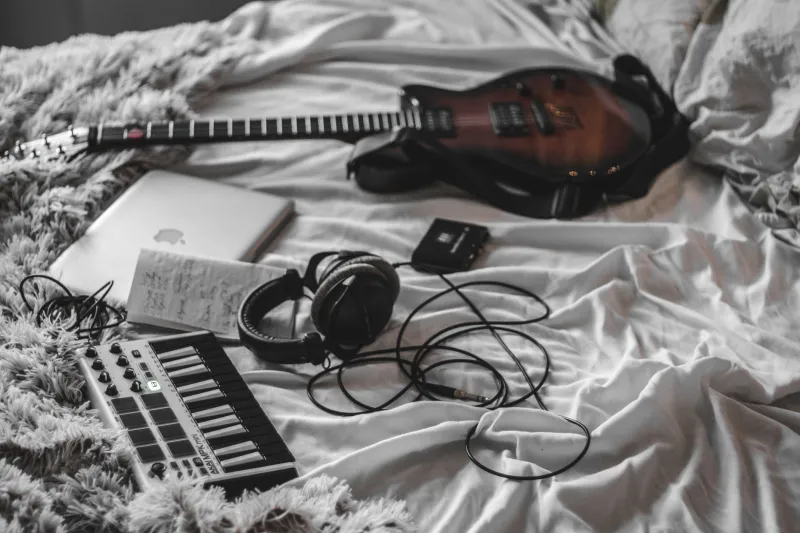
Somewhere in a one-bedroom apartment in Columbus, Ohio, someone is currently making a death metal record that sounds like it was tracked at a residential studio in Nashville. They have a $400 audio interface, a used condenser mic they found on Reverb, and a cracked version of a DAW they've been running since 2019. They have zero label backing, zero industry connections, and zero interest in acquiring either.
And when that record drops on Bandcamp next month, it's going to absolutely ruin people.
This is not a hypothetical. This is Tuesday in 2025. The bedroom producer revolution that started in electronic music and hip-hop has hit heavy music at terminal velocity, and the results are rewriting everything the industry told us was non-negotiable about making a "real" record.
The Gear Gap Is Closed
For decades, the major label pitch rested on one foundational argument: you need us because you can't afford to sound like this without us. The recording studio was a moat. Access to professional-grade equipment, experienced engineers, and the accumulated acoustic science of a properly treated room — these were barriers to entry that kept the gatekeepers relevant.
That moat got filled in. Slowly at first, then all at once.
The combination of DAW maturity, affordable audio interfaces, plugin technology that genuinely replicates analog gear, and a YouTube ecosystem that will teach you literally anything for free has collapsed the infrastructure gap to a degree that still seems to make major label executives physically uncomfortable when you bring it up at conferences.
ITB (in-the-box) production has gotten good enough that the average listener cannot reliably distinguish a well-executed bedroom recording from a professional studio session. In heavy music specifically — where distortion, compression, and the inherent chaos of the genre can actually benefit from certain kinds of lo-fi texture — the gap is sometimes not just closed but inverted. Some of the most sonically compelling extreme metal being made right now has a rawness to it that no amount of studio polish would improve.
The Artists Already Proving the Point
Look at what's happening at the fringes of the US heavy underground right now. Artists like Jordann Perry, who records dense, layered post-metal under the solo project Hollow Vein from her apartment in Portland, releasing everything through Bandcamp and DistroKid, building a fanbase of thousands with zero label involvement and zero PR budget. Or the proliferating wave of one-person black metal and powerviolence projects operating out of the Pacific Northwest and the Midwest, treating the bedroom studio not as a compromise but as a deliberate aesthetic and political choice.
These aren't artists waiting for someone to discover them. They've opted out of the discovery model entirely. They're building direct, genuine relationships with listeners who found them through algorithmic accident, Reddit rabbit holes, or word of mouth in Discord servers. The label isn't the middleman anymore. There is no middleman.
Distribution platforms like DistroKid, TuneCore, and CD Baby have made global digital distribution a $20-a-year problem. Bandcamp, despite its own ongoing corporate turbulence, still represents the closest thing the underground has to an ethical direct-sales infrastructure. The result is that a solo artist in rural Tennessee can have their record on every major streaming platform within 48 hours of finishing it, with no one's permission required.
Why the Labels Are Actually Scared
Here's the thing the industry keeps trying not to say out loud: the bedroom producer explosion isn't just a niche curiosity. It's a structural threat to the value proposition that justifies the entire major label model.
Labels have historically offered three things: recording infrastructure, distribution access, and marketing muscle. The first two are now largely commoditized. The third — marketing — is still real, but its effectiveness has been eroded by the same algorithmic platforms that democratized distribution. When TikTok can break a song with zero label involvement, when a Spotify playlist placement can come from an algorithm rather than a promotional budget, the marketing moat starts looking shakier too.
The labels' response has been predictable and a little desperate. They've started signing bedroom producers — sometimes before those producers have released anything publicly — in an attempt to co-opt the aesthetic while reasserting financial control. The pitch is essentially: we'll scale what you're already doing. What they don't mention is the part where they own the masters, take the majority of the revenue, and retain the right to shelve the project if it doesn't perform on their timeline.
Some artists take that deal. Some of them regret it. The smart ones are watching what happens to the ones who signed and making their decisions accordingly.
The Real Revolution Is in the Mindset
The gear is almost secondary. The actual shift happening in heavy music's bedroom producer wave is psychological. It's a generation of artists who grew up watching the internet dismantle every other media industry's gatekeeping infrastructure and drew the obvious conclusion: we don't have to wait.
The old model required patience. You paid your dues, you played the game, you got in front of the right people, and eventually — maybe — someone with money decided you were worth investing in. That process took years and filtered out everyone who couldn't afford to survive the waiting period, which is to say it filtered out most people who weren't already economically comfortable.
The new model requires skill, consistency, and a willingness to learn things that used to require a team of specialists. It's not easy. But it's accessible in a way the old system never was, and the results are visible in real time. You can watch an artist build an audience from nothing over 18 months on social media, drop a Bandcamp record, sell enough to fund the next one, and never once need a label's blessing.
What Comes Next
The bedroom producer revolution in heavy music is not going to slow down. The tools are only getting better and cheaper. The distribution infrastructure is only getting more accessible. The audiences who've grown up consuming independent heavy music are only getting larger and more willing to pay directly for what they love.
The labels will keep trying to absorb this movement, repackage it, and sell it back. Some of them will succeed in individual cases. But the underlying shift — the collapse of the infrastructure argument, the death of the permission economy — that's not reversible.
One room. One mic. Zero permission.
That's not a limitation anymore. That's the whole point.